
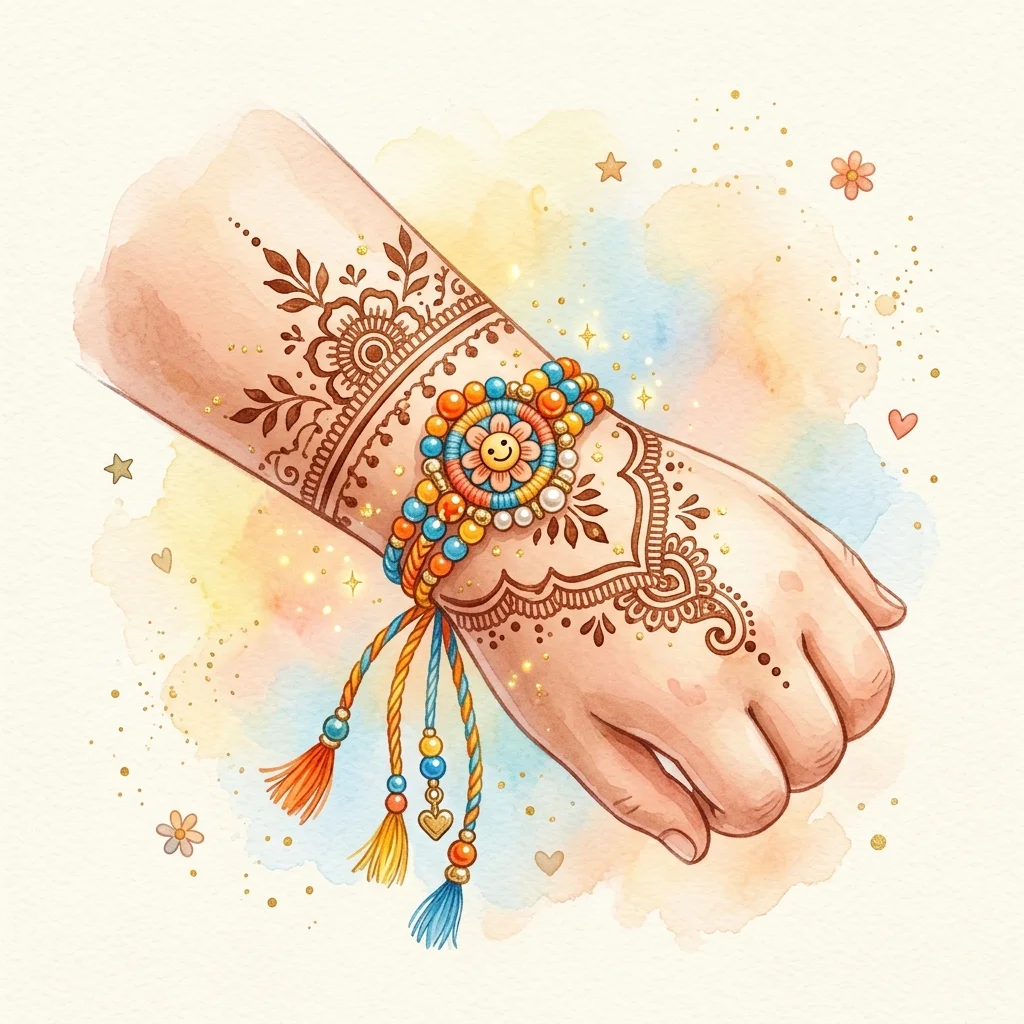
Peacock Rakshabandhan Special Mehndi Design Mehndi Design
Learn to draw this medium Peacock Rakshabandhan Special Mehndi Design mehndi design step by step. Perfect for 7-12 years — takes about 20 min.

How to draw it
Draw a graceful peacock head with a tiny crown.
Sketch the curved neck.
Create layered feather patterns using teardrop shapes.
Extend bracelet lines on both sides.
Finish with a dotted trail toward the finger.
Practice This Design at Home
Print this worksheet and follow the step-by-step guide to master the design.
- ✓ Printable A4
- ✓ Beginner Friendly
- ✓ No Signup Required
Learn More About This Design
Complete guide, drawing tips, and safety profile
Why Kids Love This Design
The peacock is colourful and festive, making children excited to recreate it with henna.
Design Profile
The Story & Tradition of Henna
An ancient art form representing happiness, blessings, and community
Crafted From Nature
Henna (or Mehndi) paste is made from the leaves of the Lawsonia inermis plant. The leaves are ground into a fine powder and mixed with water or tea to create a pure, skin-safe organic paste.
Symbols of Blessing
Traditional henna patterns are rich with symbolism. Circular mandalas represent wholeness, lines represent the path of life, and floral vines represent growth, health, and new beginnings.
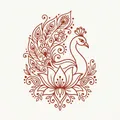
Celebration & Joy
Across cultures, henna is applied during festivals, weddings, and family ceremonies. It is a social ritual where families gather, bond, and share wishes of good fortune and happiness.
Dos & Drawing Tips
- Draw the head first.
- Keep feathers simple.
- Use teardrop shapes.
- Avoid overcrowding details.
Common Mistakes
- Oversized feathers.
- Crooked neck.
- Too many feather layers.
- Uneven crown.
More designs you might like


Frequently Asked Questions
Is this difficult to draw?
It is slightly more detailed than beginner designs but still suitable for kids aged 7 years and above.
Can I add more feathers?
Yes. Older kids can extend the feather design for a richer look.
Why is the peacock popular for Raksha Bandhan?
Peacock motifs are considered auspicious and festive, making them a favourite choice for traditional mehndi designs.